
February 2026 Survey
These are the findings of a THINC Foundation survey, conducted by a leading global market research company, with 2,246 parents of children ages 0 to 17 in the U.S. in February 2026.
The purpose of this research is to assess American parents’ views on K-12 education, including perspectives on transparency and classroom politicization, as well as the importance of teaching civics, respect for differing viewpoints, and individual merit.
Civility and Respect
Over 90% of parents think it is important for students to learn about civics and learn about having mutual respect for those with different viewpoints.

90% Agree
It's important for students to learn about civics, meaning the rights and duties of citizens in our society.
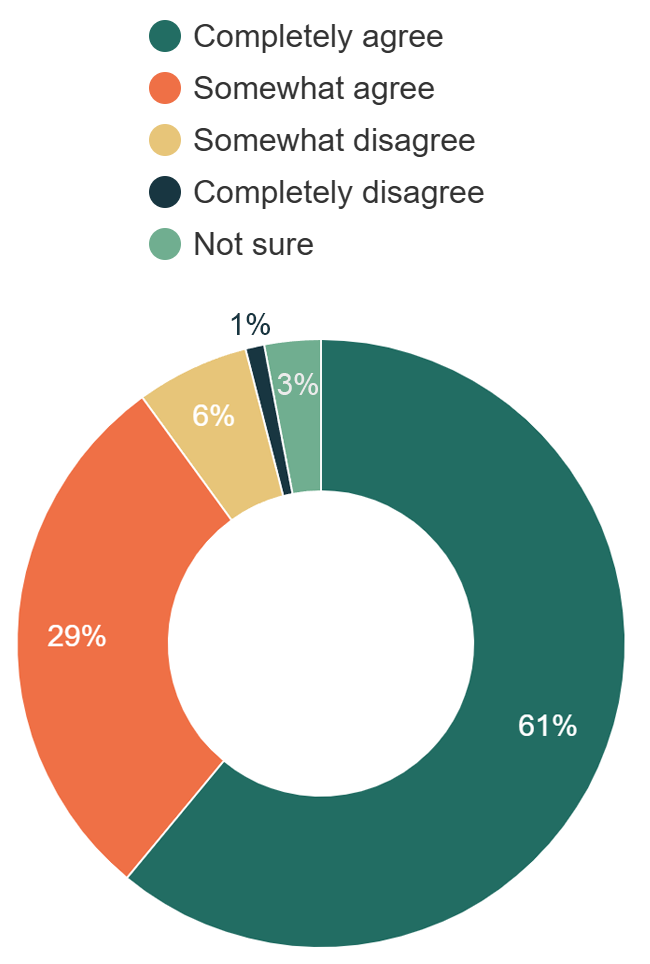
91% Agree With This Statement
It is important to teach students the concepts of mutual respect and cooperation, including to hear other viewpoints, even if they do not agree.
Curriculum
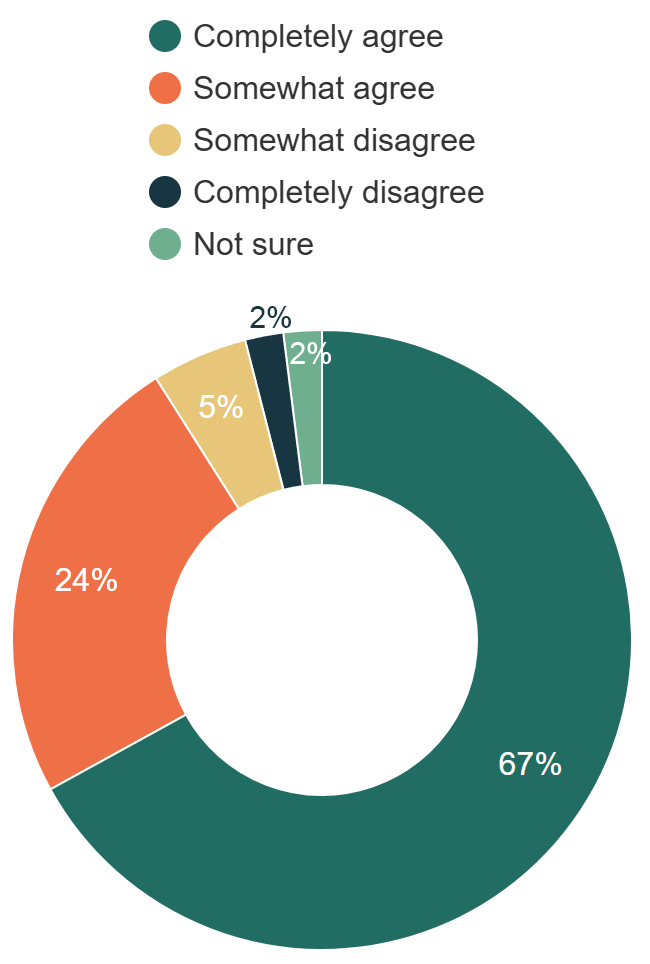
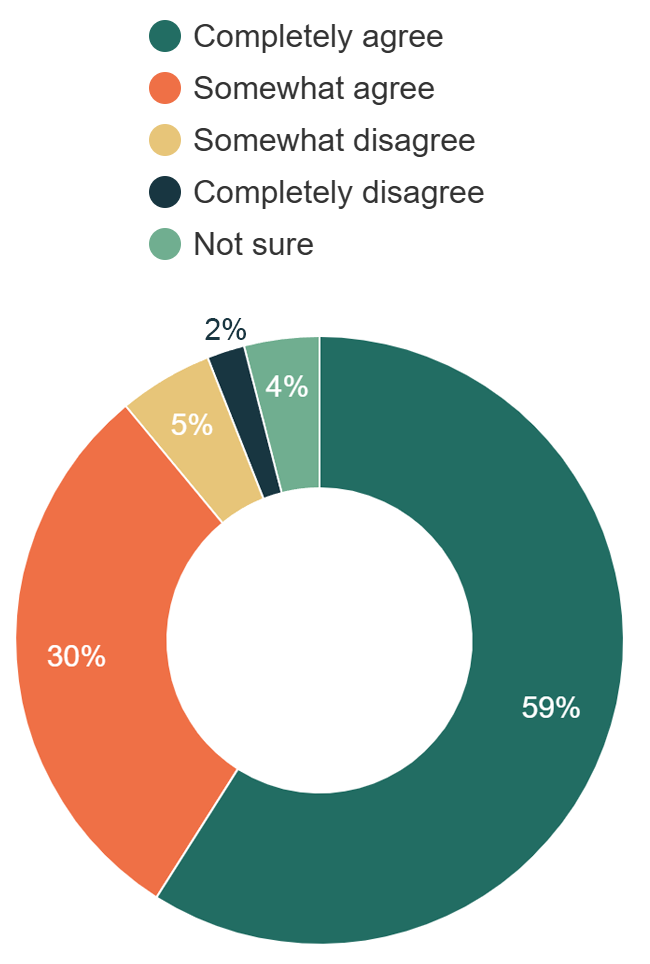
Most parents are concerned about their child's curriculum and would like it to be made publicly available.
55% Are Concerned
I am concerned about my child's curriculum.
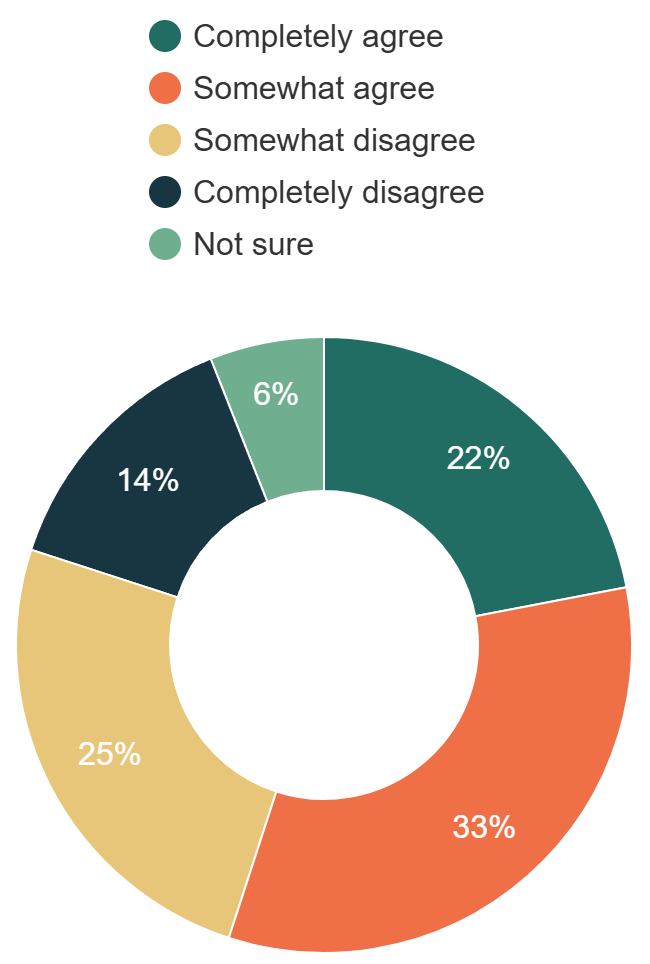
89% Agree
It is important for my school district's K-12 curriculum to be publicly available.
Politics in the Classroom
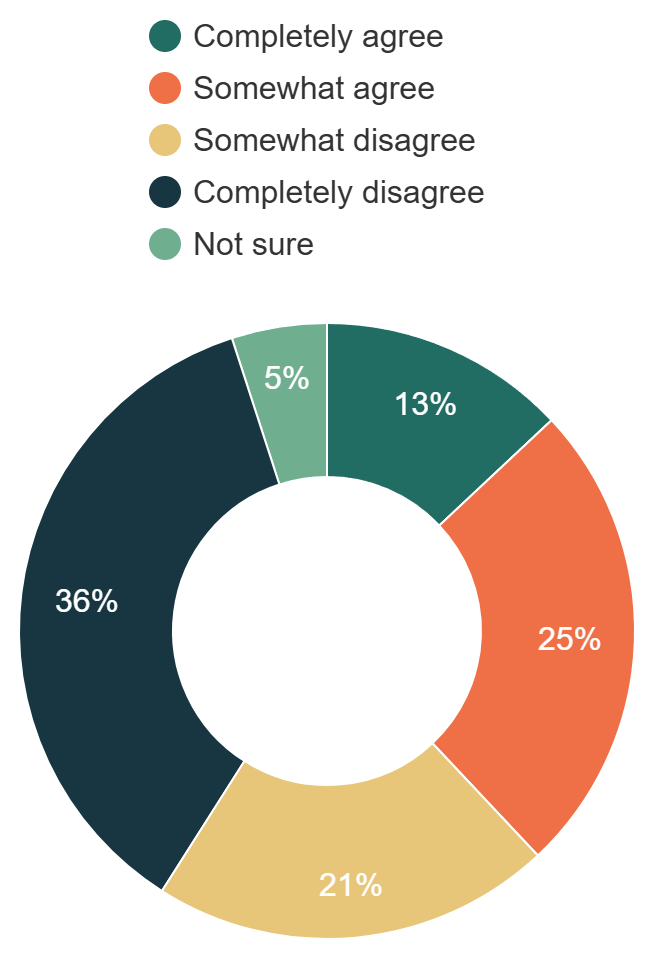
Eight in ten American parents want students to learn about the political process, while 58% do not think teachers should share their personal political views.
82% Agree
It's important for students to learn how they can responsibly participate in the political process.
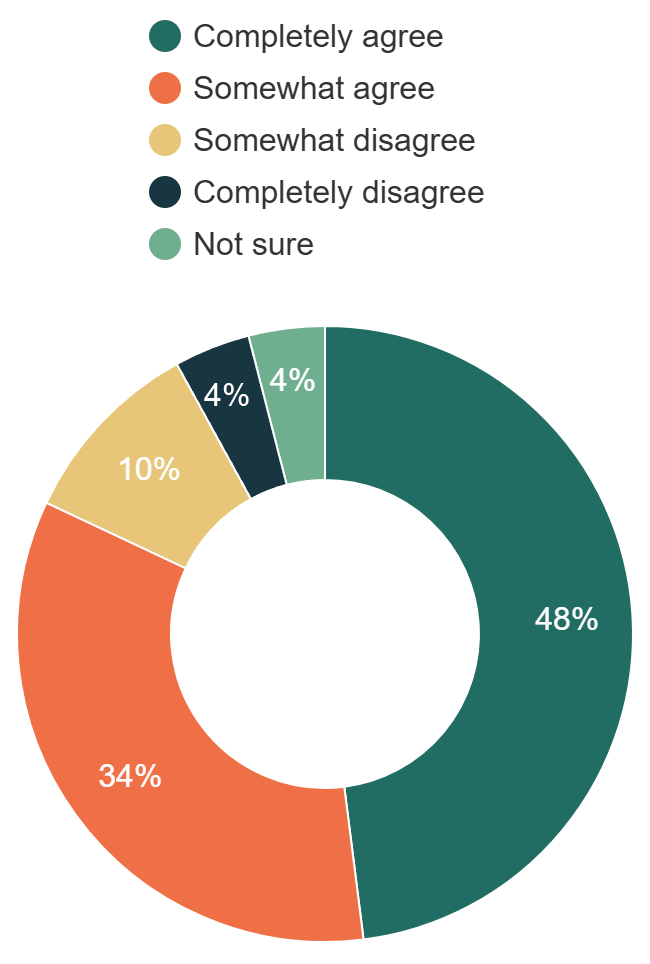
58% Do Not Agree With This Statement
It is acceptable for teachers to share their personal political views with their students.
Support for a Colorblind Society
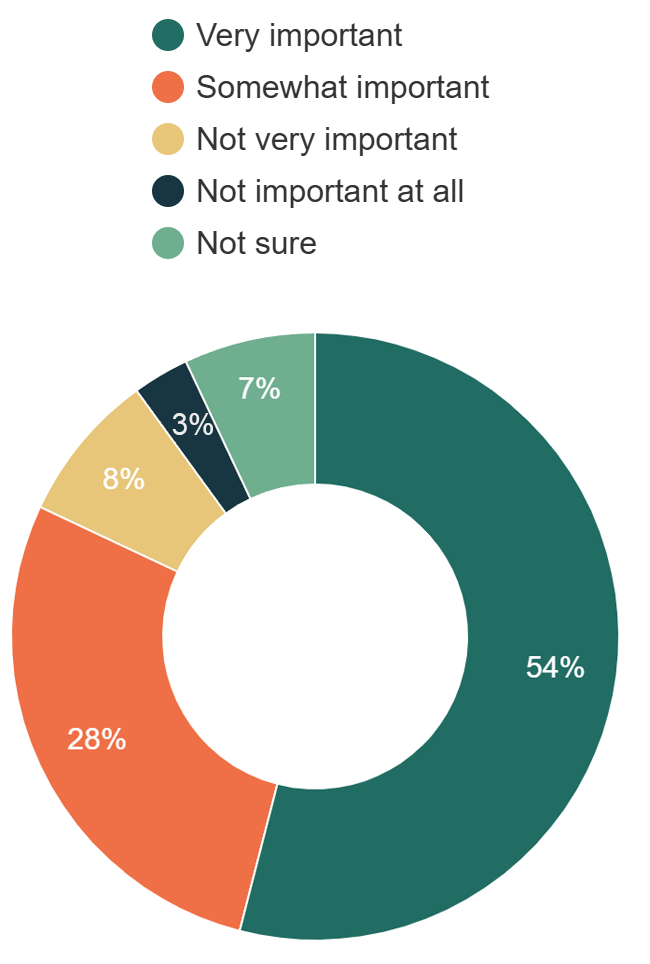
Eight in ten American parents think the idea of a colorblind society is important.
82% of Parents Say It is Important
How important is it to you that children be taught the value of a "colorblind society"?
Race and Ethnicity
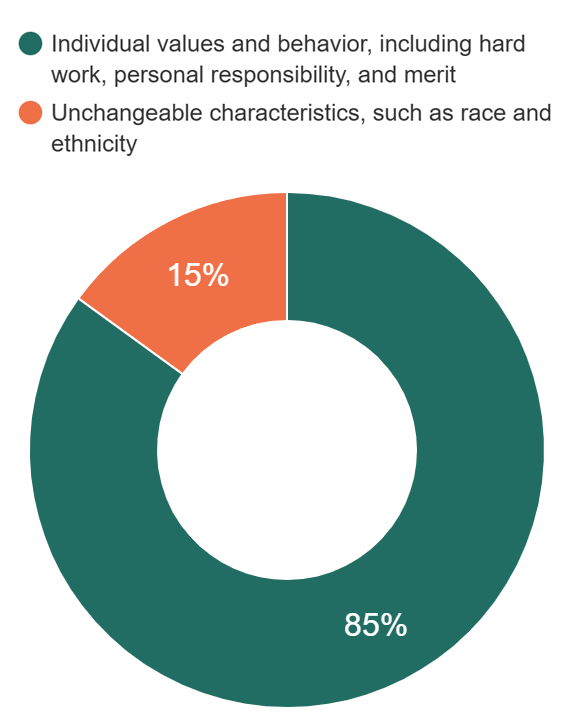
The vast majority of parents believe in meritocracy and hard work as determining factors for success.
85% believe success comes from hard work and merit
What has a greater impact on a person finding success in life?
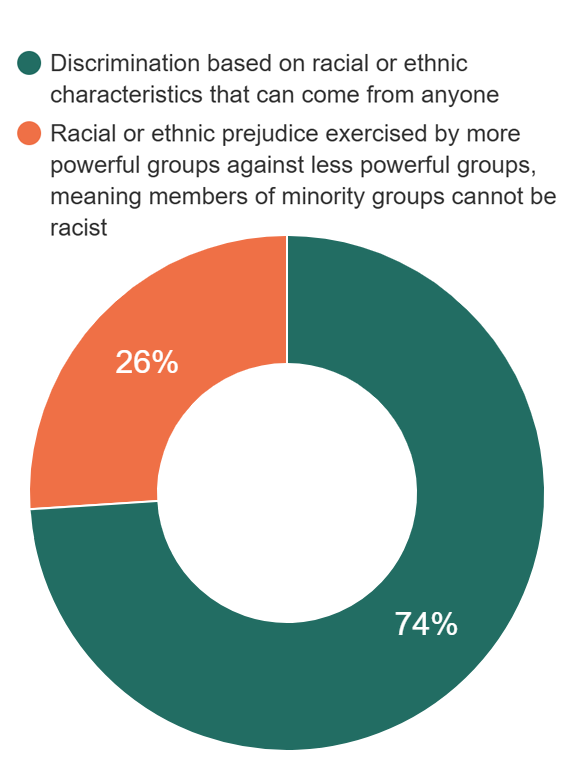
74% of parents believe racism can come from anyone
Which of the following descriptions is closer to how you would define racism?
Trust in Educational Professionals
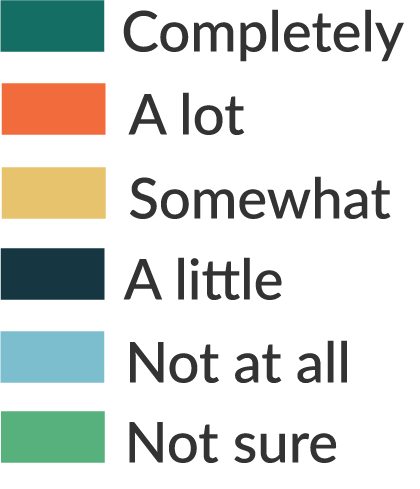
How much do you trust each of the following to ensure children get an unbiased education, free of personal beliefs and ideology?

Teachers

School administrators

Members of the school board

School principal

Education unions in my area

Local or state politicians working on educational policy

Educational scholars researching new ways to teach
