FEBRUARY 2025 NEWSLETTER
Their minds are open.
Let's keep it that way.
Welcome to THINC Foundation’s newsletter! Releasing semi-monthly, it contains our views on key developments in Liberated Ethnic Studies (LES) in K-12 schools as well as relevant news articles and timely calls to action.

Transparency Is the Antidote to Ideological Indoctrination in K-12 Education
By Mitch Siegler, Founder
Public trust in K-12 education rests on a foundational principle: parents and communities believe schools are providing children with a good education and can verify that they are doing so according to reasonable metrics. When curricula, instructional materials, and classroom policies are concealed from parents while increasingly radical ideas appear more and more often in lessons, suspicion inevitably follows and trust is further damaged.
Teachers wield profound influence over developing minds, and that influence carries an obligation for schools to be transparent about what students are being taught and how complex issues and subjects are presented. When schools dismiss parents’ concerns with flippant comments like curricula are "just too complex" for the public to understand so why bother with public review? or when good-faith questions are treated with suspicion, it signals that something beyond education may be at work.
This concern is not merely theoretical. According to THINC Foundation’s nationwide survey of nearly 1,500 parents of school-aged children, nine in ten want school curricula made public, ranking transparency among their highest priorities for K-12 education.
Ideological indoctrination thrives in secrecy and cannot survive in sunlight. Without oversight, students may be, and often are, taught not how to evaluate competing perspectives, but which conclusions are the “correct” ones. Students who know the desired answers or the preferred points of view are rewarded with good grades and special attention from teachers; those with a heterodox approach may be silenced or ostracized. Over time, this culture corrodes intellectual curiosity, discourages genuine questioning, and undermines the critical-thinking skills that schools purport to develop and students desperately need.
Making curricula, lesson plans, and instructional frameworks accessible enables healthy and constructive dialogue among parents, educators, and administrators. It ensures that complex or controversial topics are handled with nuance and balance rather than bias, and that classrooms remain forums for inquiry rather than vehicles for ideological conformity.
Learning how to address complex questions – historical, social, moral – is essential for a good education. But those questions must be approached with intellectual honesty: presenting multiple viewpoints, modeling evidence-based reasoning, and teaching students to form their own informed judgments. In a healthy society or a well-functioning school or classroom, not everyone will agree on every issue or have the same perspective – nor should they.
If public schools are to retain their legitimacy as neutral civic institutions – and the trust of parents and communities – they must reject secrecy and embrace openness. Transparency restores trust, protects educational integrity, and draws a necessary boundary between teaching and indoctrination.
Liberated Ethnic Studies (LES) Activists in Their Own Words
We talk a lot about the LES movement’s extreme positions, but what does that look like in practice? Take a look at these quotes from prominent LES leaders.
“If I don’t teach my students to critique American society, systems, structures, and history through the lens of race and understand why it is necessary to do and the implications of doing such, I cannot say with certainty we are ever going to exist as a truly free nation”
– Keisha Rembert, then-Assistant Professor of Teacher Preparation at National Louis University
“There is a notion that mathematics is politically neutral; however, this is simply not the case. Mathematics is a powerful tool that is used to harm people”
– Eva Thanheiser, Professor of Mathematics Education at Portland State University
These are the values they want in K-12 classrooms across the country.
THINC Deeply
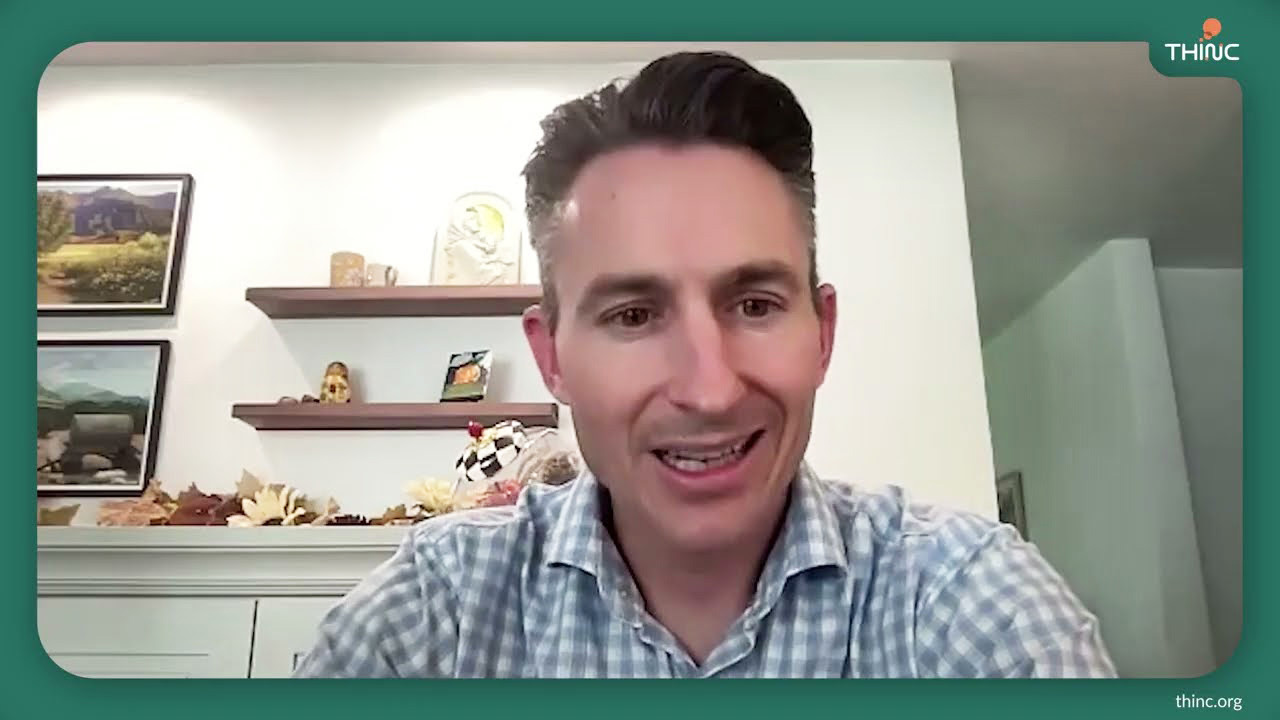
In the inaugural episode of our new video series THINC Deeply, Mitch speaks with Adam Seagrave, Ph.D., Associate Professor in the School of Civic and Economic Thought and Leadership at Arizona State University, about civil discourse, mutual humanization, and why balanced, complexity-aware history instruction is so essential in K-12 classrooms.
THINC Voices
We wanted to share an installment of our THINC Voices video series.
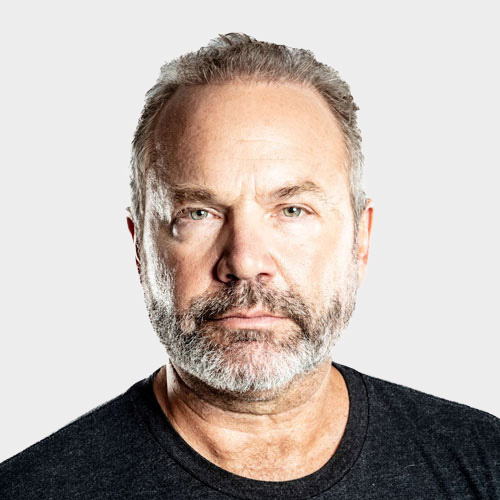
Singer-songwriter John Ondrasik (Five for Fighting) reminds us that education should be about learning, not indoctrination: “These are our children, they’re not pawns to be turned into somebody’s cause and army.”
Support Our Work
Our continued work depends on the generosity of people like you! Please consider making a contribution to THINC to fund our continued work to combat Liberated Ethnic Studies and advocate for more constructive education in K-12 schools.

THINC Foundation is a 501(c)(3) non-profit organization that is qualified to receive tax-deductible donations.