
THINC Deeply
THINC Deeply features in-depth conversations with educators, policymakers, and community advocates exploring how to strengthen civil dialogue, support academic excellence, and foster viewpoint-neutral instruction in America’s schools.


Sangeetha Shankar
In the latest episode of our THINC Deeply video series, THINC Founder and CEO Mitch Siegler speaks with Sangeetha Shankar, Director of Philanthropy – Western Region (former CA Regional Director) at the Hindu American Foundation. Together, they discuss the importance of transparency in K-12 education and the often troubling way history, culture, and religion are being taught.
Sangeetha highlights concerns from Hindu families about overly simplistic and distorted portrayals of their culture and faith, particularly when complex topics are reduced to rigid frameworks that don’t reflect lived experience. She emphasizes that difficult aspects of history should be taught with nuance and accuracy, not as a simplistic narrative.
Their conversation also underscores the need to refocus on academic fundamentals and equip parents with the tools to engage effectively with the school system.
Share this video on

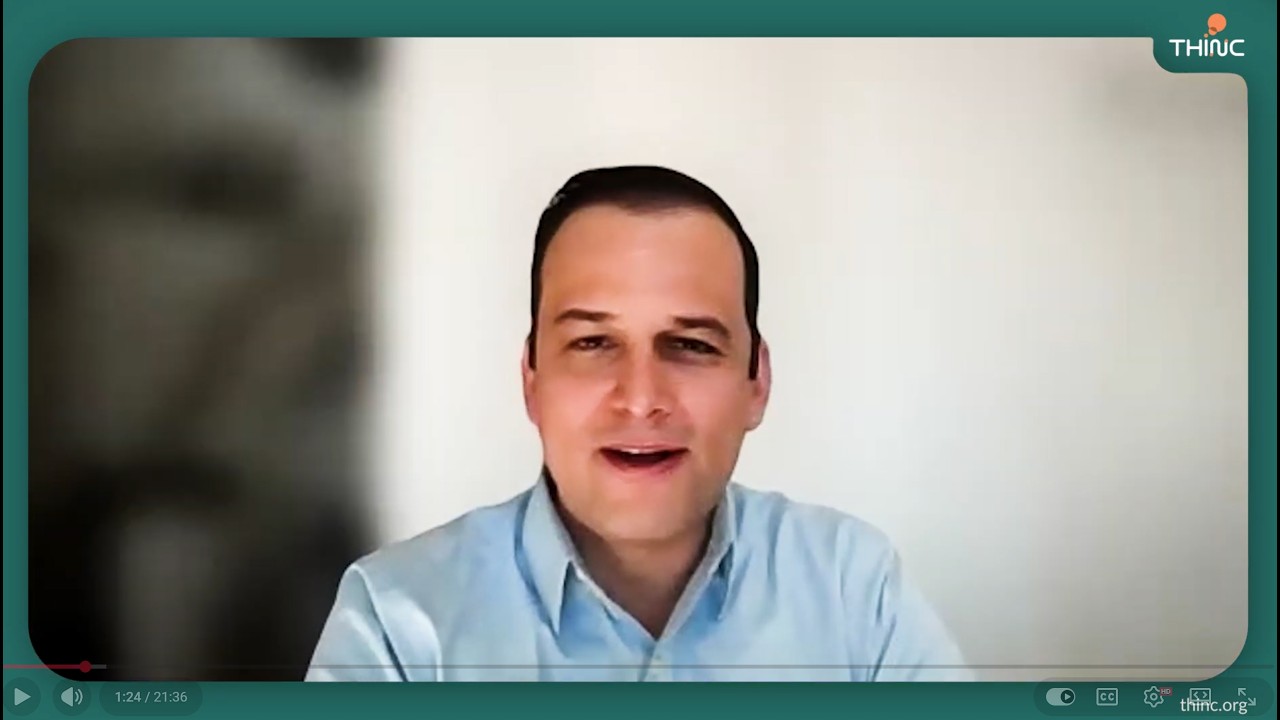
Maya Phillips and Yukong Mike Zhao
In the latest episode of our video series THINC Deeply, THINC Founder and CEO Mitch Siegler is joined by Yukong Mike Zhao, founder of the Asian American Coalition for Education, and Maya Phillips, a trustee on the Ramona, CA school board. Together, they discuss how lessons from life under totalitarian regimes shape their concerns about ideological instruction in American classrooms.
Maya, who grew up in the former Soviet Union, and Mike, who lived through China’s Cultural Revolution, reflect on the dangers of teaching children to see society through rigid categories of oppressor and oppressed. They argue that such frameworks shut down open discussion and risk fostering a culture of victimhood rather than resilience.
The conversation explores how schools should teach the difficult chapters of American history honestly while also preserving what has long defined American education: open debate, civic understanding, and an appreciation for the opportunities that have drawn generations of immigrants to the United States.
Share this video on
Raul Campillo
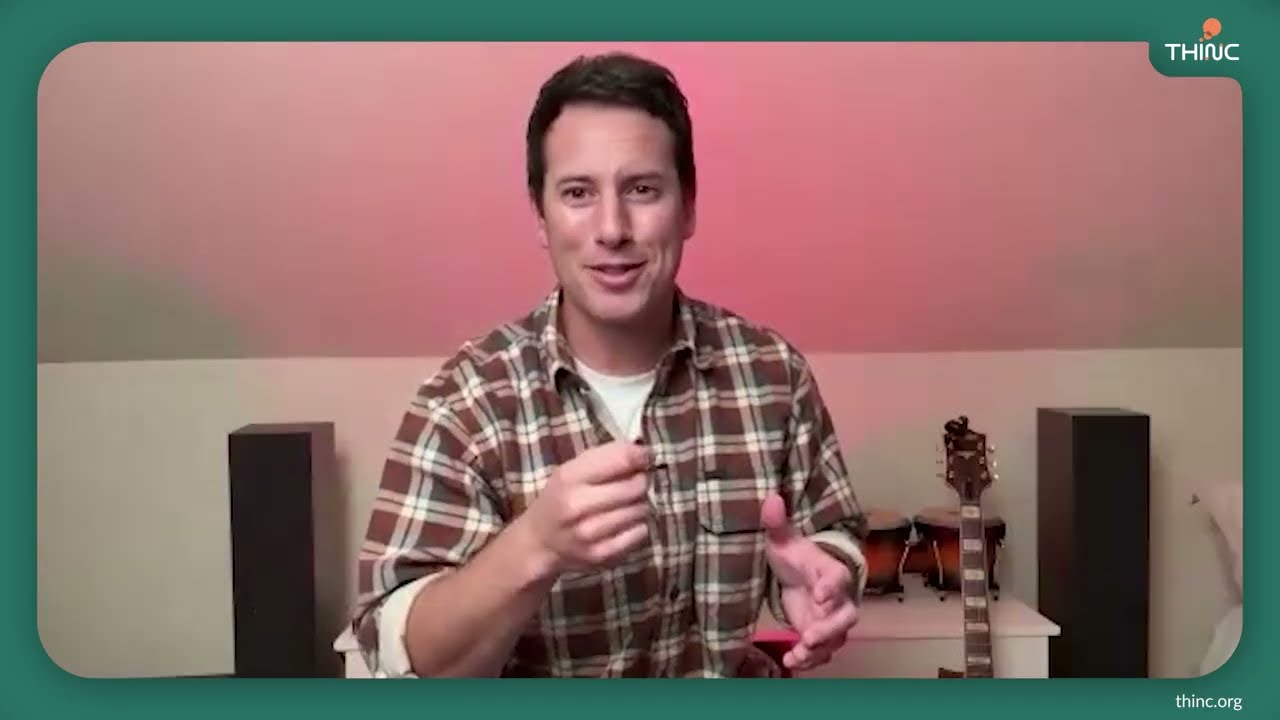
In the latest episode of our video series THINC Deeply, THINC Founder and CEO Mitch Siegler is in conversation with Raul Campillo, a San Diego City Councilmember and former 5th-grade teacher. They discuss how schools can best nurture every student’s potential by emphasizing individual agency and shared responsibility.
Raul stresses the importance of giving people the benefit of the doubt, teaching history honestly without promoting a philosophy of hierarchy and division, and ensuring that classrooms remain places of learning rather than politicization. While acknowledging that injustice exists and progress remains unfinished, he argues that framing children as victims robs them of hope and agency.
At the heart of Mitch and Raul’s conversation is a clear principle: we must equip the next generation with the skills to succeed and the conviction that their future is in their hands.
Share this video on
Brad Liber
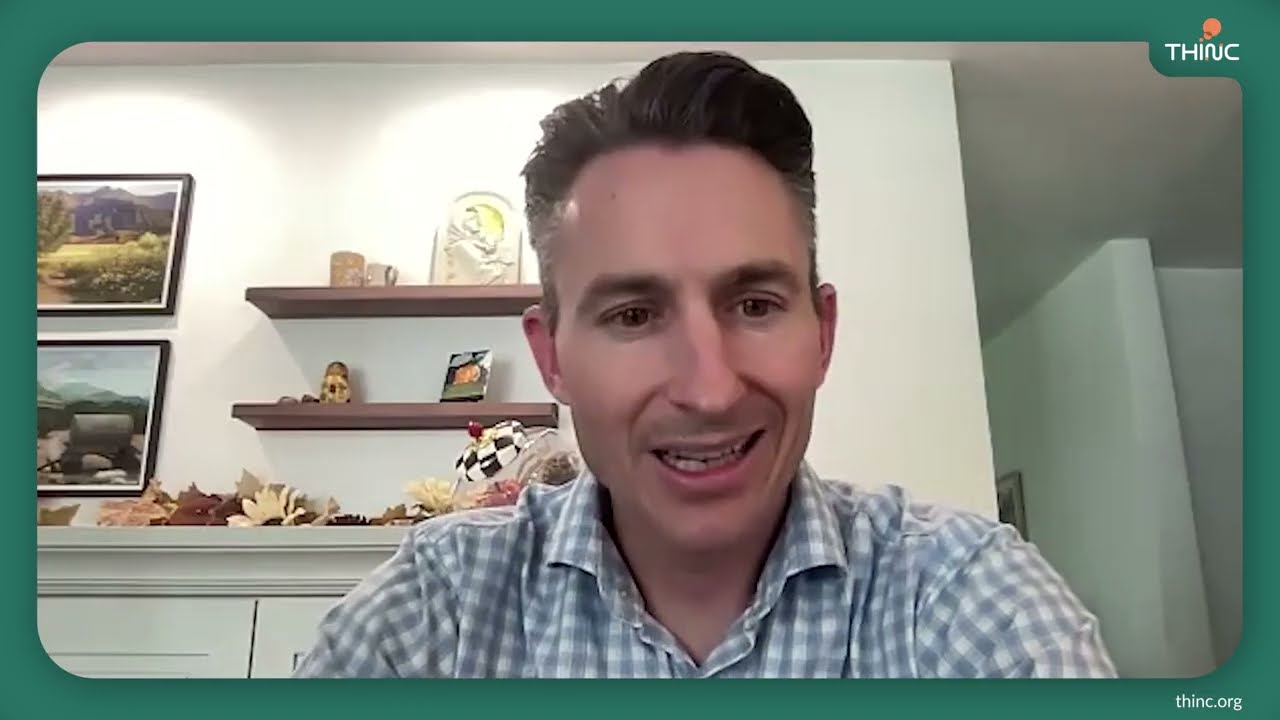
In our latest edition of THINC Deeply, Mitch interviews Brad Liber, a veteran teacher from San Diego. Together, they discuss the impact of Liberated Ethnic Studies on students' well-being and worldview. Brad saw firsthand how teaching simplistic oppressor/oppressed narratives makes students less self-reliant, more resentful, and less accepting of other groups. Like THINC, he supports ethnic studies education that emphasizes mutual respect, a nuanced discussion of complex issues, individual agency, and equal opportunity.
Share this video on
Adam Seagrave, Ph.D.
In the inaugural episode of our new video series THINC Deeply, Mitch speaks with Adam Seagrave, Ph.D., Associate Professor of in the School of Civic and Economic Thought and Leadership at Arizona State University, about civil discourse, mutual humanization, and why balanced, complexity-aware history instruction is so essential in K-12 classrooms.
Share this video on